
VersaWorks 7 telepítő
Roland VersaWorks 7 telepítő (letöltés)
A telepítőt rendszergazda módban tessék telepíteni.
Driverek Roland eszközökhöz
Bármilyen Roland eszközöd van, a hozzávaló drivert, firmware-t, leírásokat, update-ket először a Roland Download Centeren keresd.
VersaWorks 7 telepítő
Roland VersaWorks 7 telepítő (letöltés)
A telepítőt rendszergazda módban tessék telepíteni.
VersaWorks 6 telepítő
Roland VersaWorks 6.20.0 telepítő (letöltés)
Roland VersaWorks 6.24.2 updater (letöltés)
Az offline updater telepítőket az alapprogram telepítése után, futtatás rendszergazdaként módban tessék telepíteni !!!
VersaWorks Dual 1.6 telepítő
VersaWorks Dual 1.6.8 full install (letöltés)
VersaWorks Dual 1.6.15 updater (letöltés)
Az offline updater telepítőket az alapprogram telepítése után, futtatás rendszergazdaként módban tessék telepíteni !!!

VersaWorks 5 telepítők
VersaWorks 5.22 full install (letöltés)
VersaWorks 5.5.1 updater (letöltés)
Az offline updater telepítőket az alapprogram telepítése után, futtatás rendszergazdaként módban tessék telepíteni !!!

CutStudio vágó program
Roland CutStudio install (3.14 full install) (letöltés)
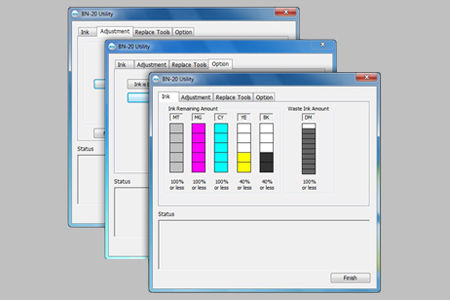
BN-20 utility program
BN-20 nyomtatódhoz a utility programot és update-jeit innen tudod letölteni. (letöltés)
PrintServer-NetTool
Ezzel a kis programmal megtudod keresni a hálózaton a nyomtatód IP címét, vagy a háló kártya reset-elése után új IP címet tudsz adni neki
Ez olyan modelleknél érdekes, ahol nincs a menüben lehetőség megadni az IP címet. pl. SP-540v típus. (letöltés)
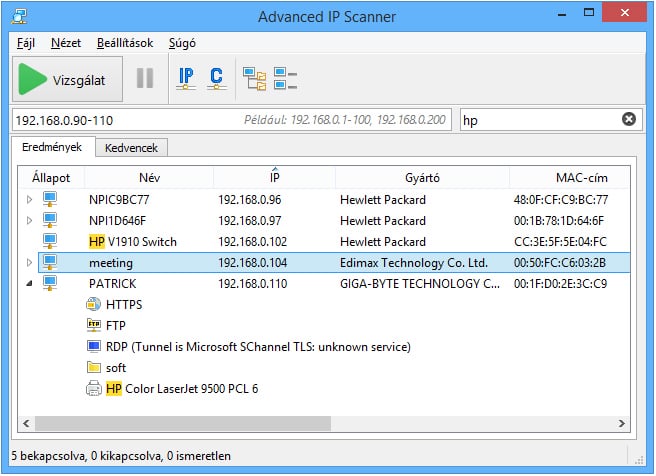
Advanced IP Scanner
Vagy ezzel az ingyenes eszközzel még mélyebben rá tudsz nézni a hálózatra, hogy milyen eszközök lógnak rajta és azoknak mi az IP címük. (link)
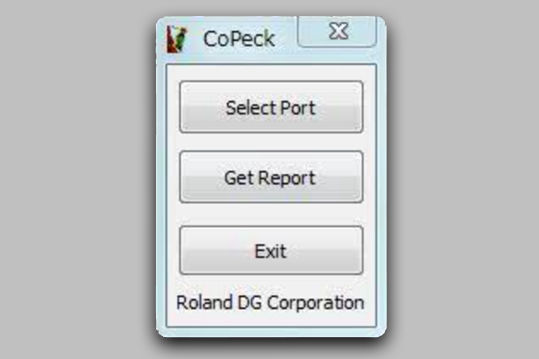
Copeck riport
Ezzel a kis programmal a nyomtatód összes belső beállítási értékét, élettörténetét el tudod menteni egy riport file-ba, amit hozzánk elküldve mi kielemzünk és megmondjuk mit tegyél a hiba elhárításának érdekében. (letöltés)
There’s also a pragmatic elegance under the hood. Memory optimizations are not just for lower-spec instances; they change how teams design services. Smaller working sets mean you can run a full-featured catalog in environments you used to reserve for edge cases—satellite deployments that aggregate regional feeds, CI runners that validate catalog changes in parallel, even developer laptops. The tool’s presence migrates from centralized cluster services to the periphery, decentralizing the act of curation.
Two improvements anchor that change. First, incremental indexing is now truly incremental: the tool watches the stream of updates and adapts internal representations without a full rebuild. That’s not merely speed; it changes workflows. Where once teams scheduled painful reindex windows and held deployments until heavy jobs completed, they can now iterate in near-real time. Prototypes born in morning standups can be validated by afternoon queries. x catalog tool 1.11
At first glance the changes are surgical: faster index updates, a more resilient merge algorithm, a reduced memory footprint on cold-start. Those bullet points are true, but they’re the scaffolding. The real story is how the tool rearranges the work of finding truth in sprawling, ragged datasets. There’s also a pragmatic elegance under the hood
There are trade-offs. The negotiation-style merge model requires consumers to accept and act on provenance; if you plug 1.11 into systems expecting a single truth, you’ll need a compatibility layer or a cultural shift. Similarly, streaming-friendly index updates can surface transient states during high churn; the system exposes fidelity earlier, and not every consumer wants that. Smart orchestration is still required—this version amplifies clarity, not silence. That’s not merely speed; it changes workflows
Adopted poorly, it reveals inconsistencies and spawns short-term noise. Adopted well, it surfaces clarity and accelerates trust. Either way, once it arrives in your stack, you stop asking whether your catalog is “good enough.” You start asking how quickly you can act on what it finally shows you.
Second, conflict resolution embraces provenance instead of hiding it. When two records clash—different timestamps, overlapping fields—1.11 surfaces the lineage and lets downstream logic pick winners. For pipeline authors, that’s liberation. You stop asking the catalog to guess a single canonical truth and instead hand it a compact dossier: “Here’s each claim, where it came from, and how confident we are.” That subtle shift turns the catalog from an oracle into a teammate that voices uncertainty reliably.