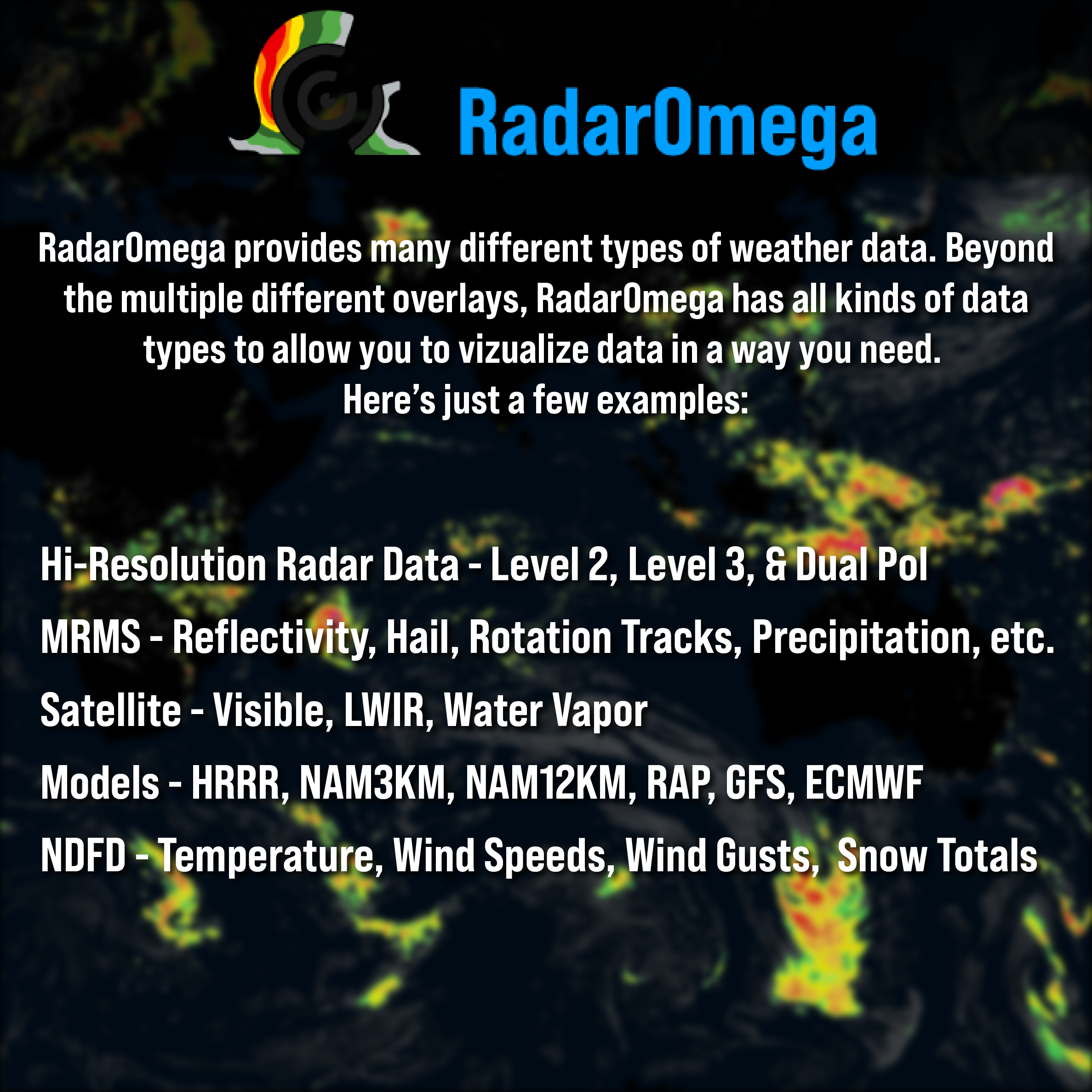
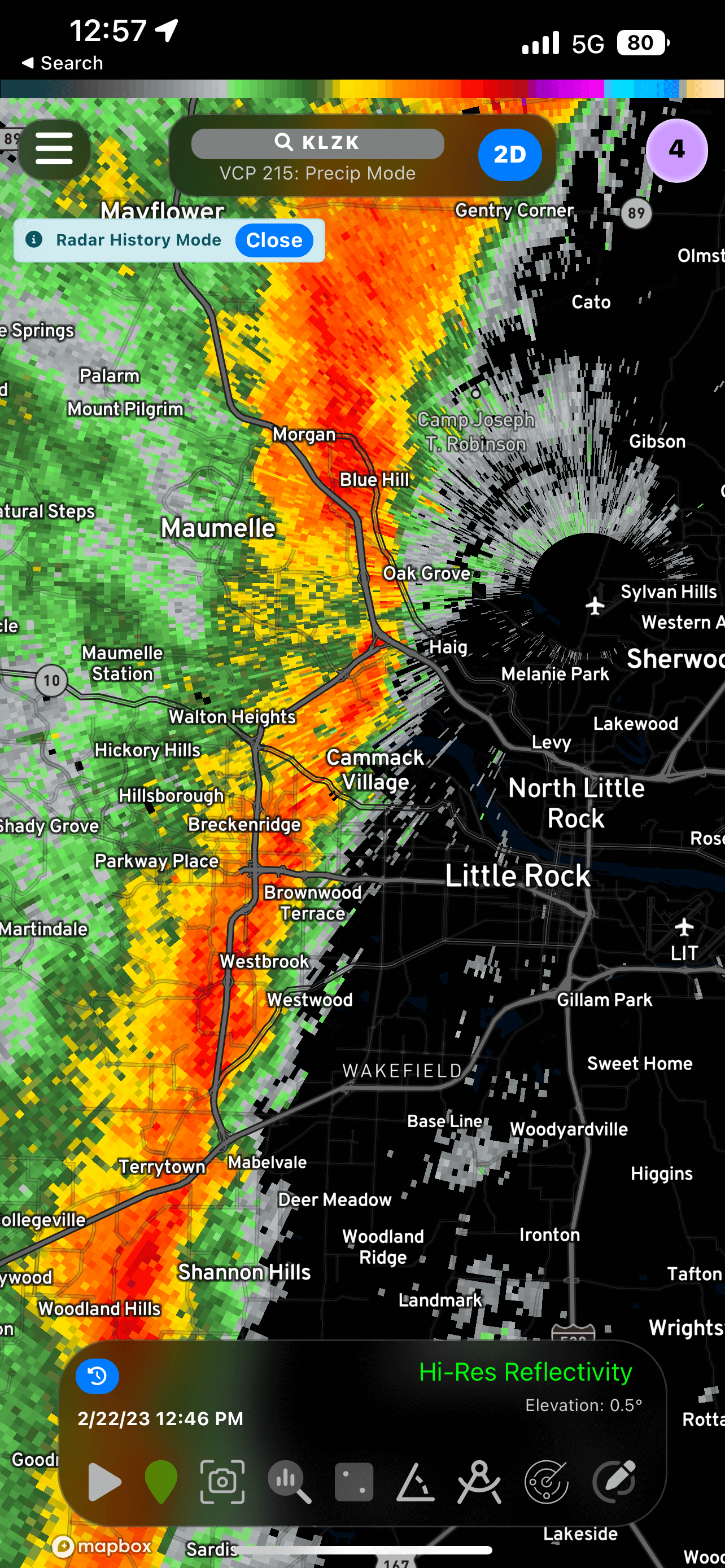
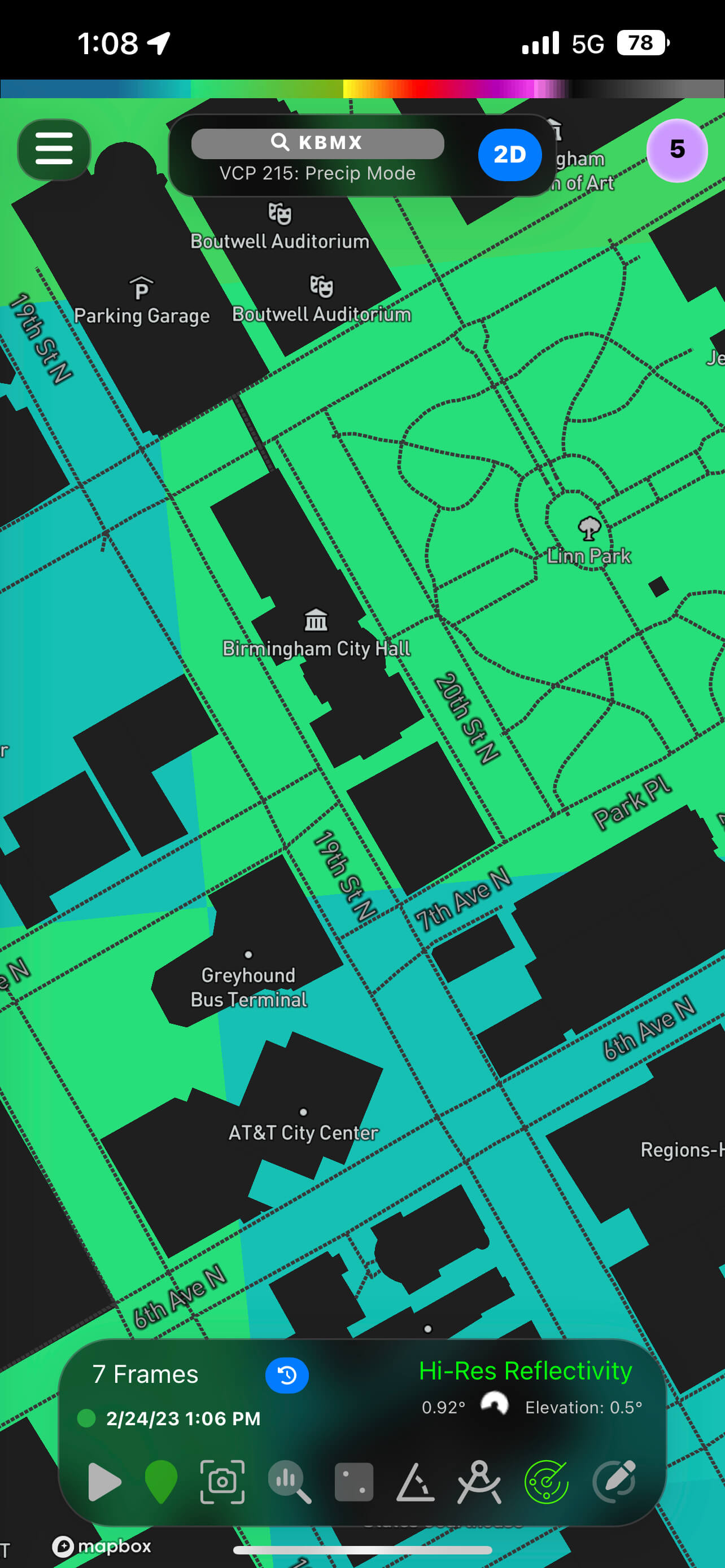
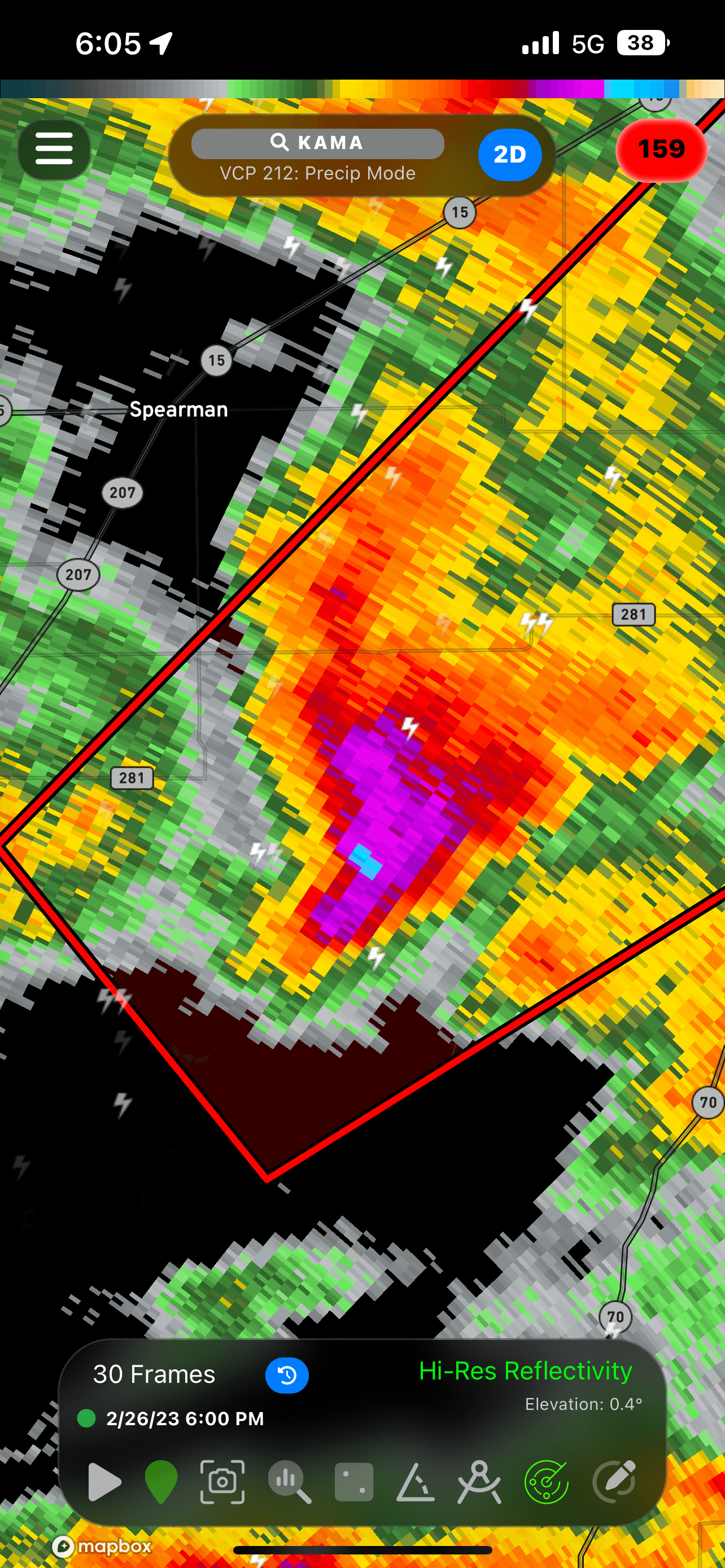
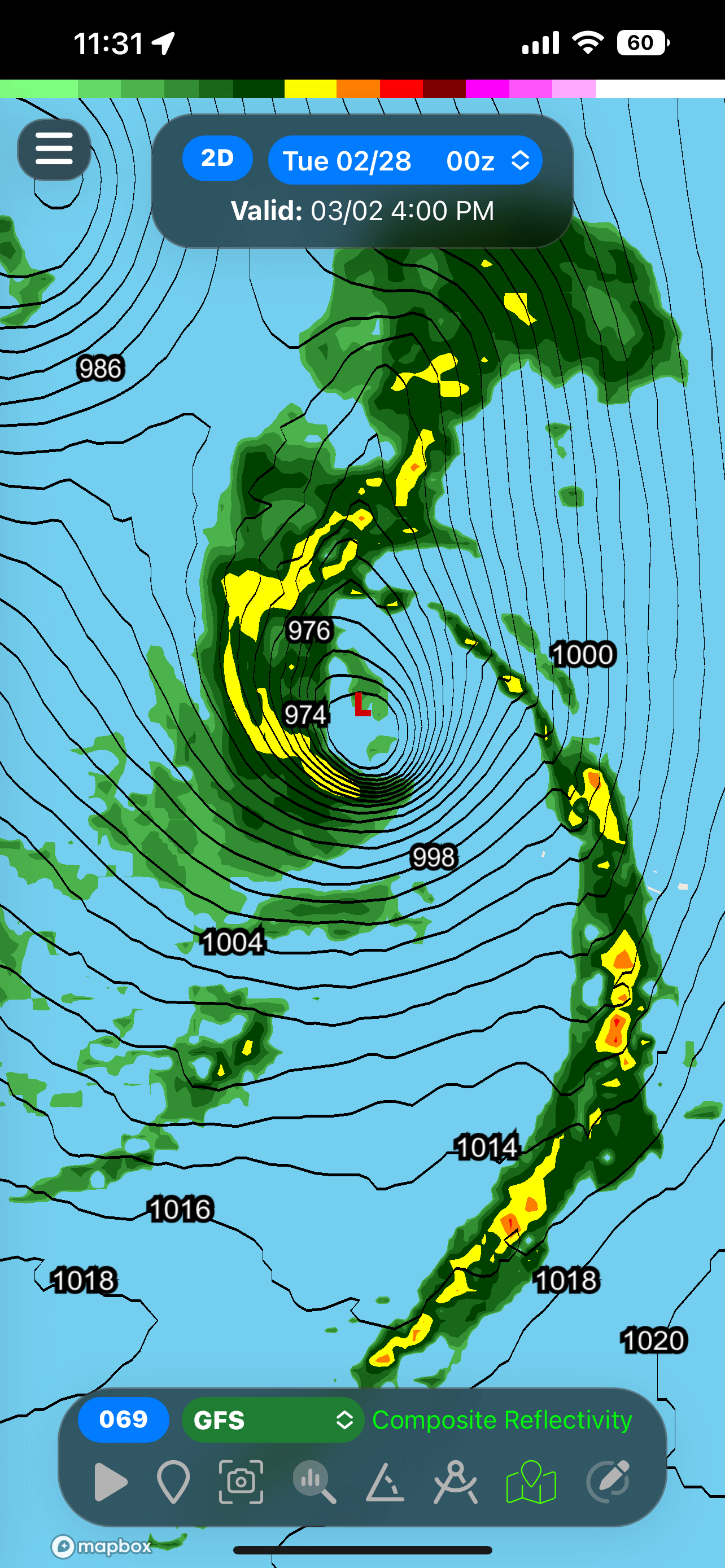
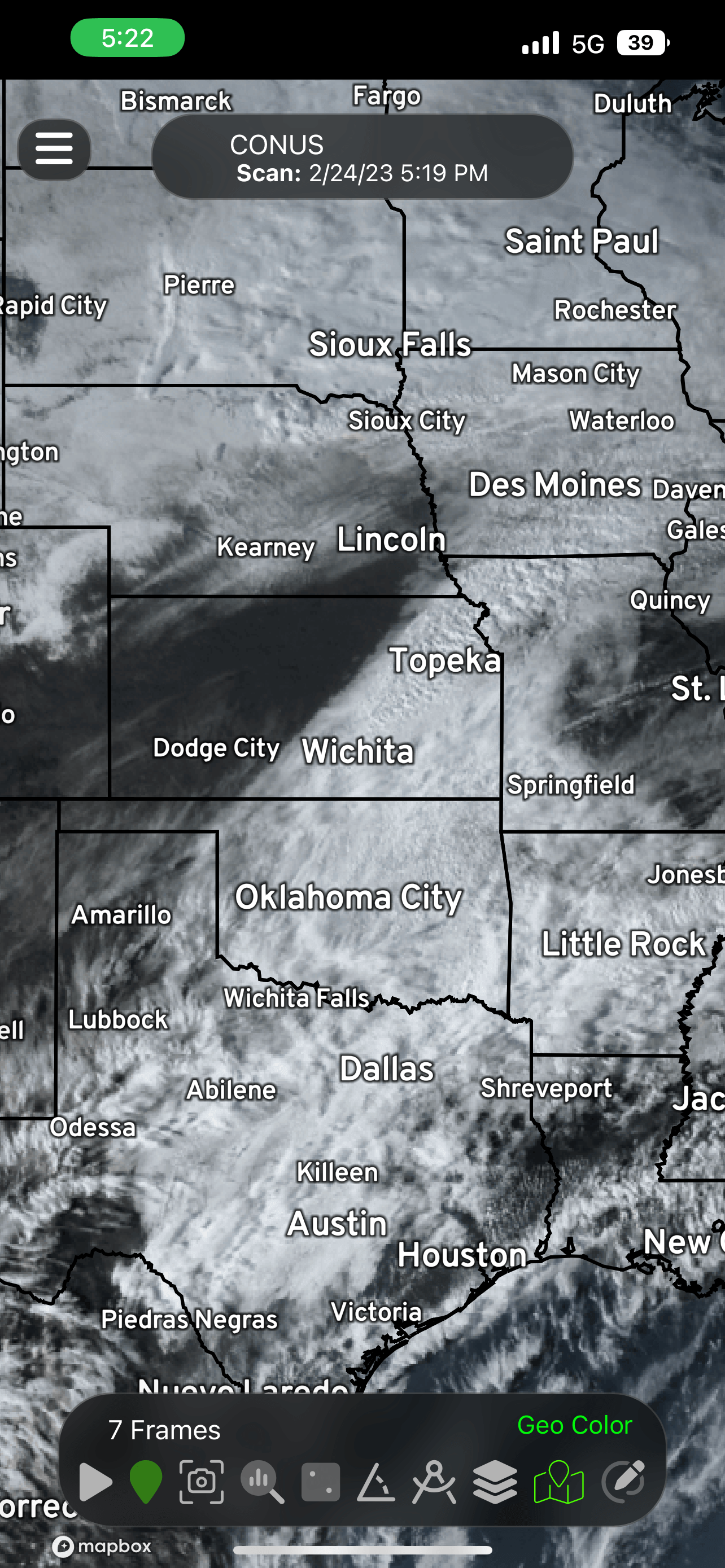
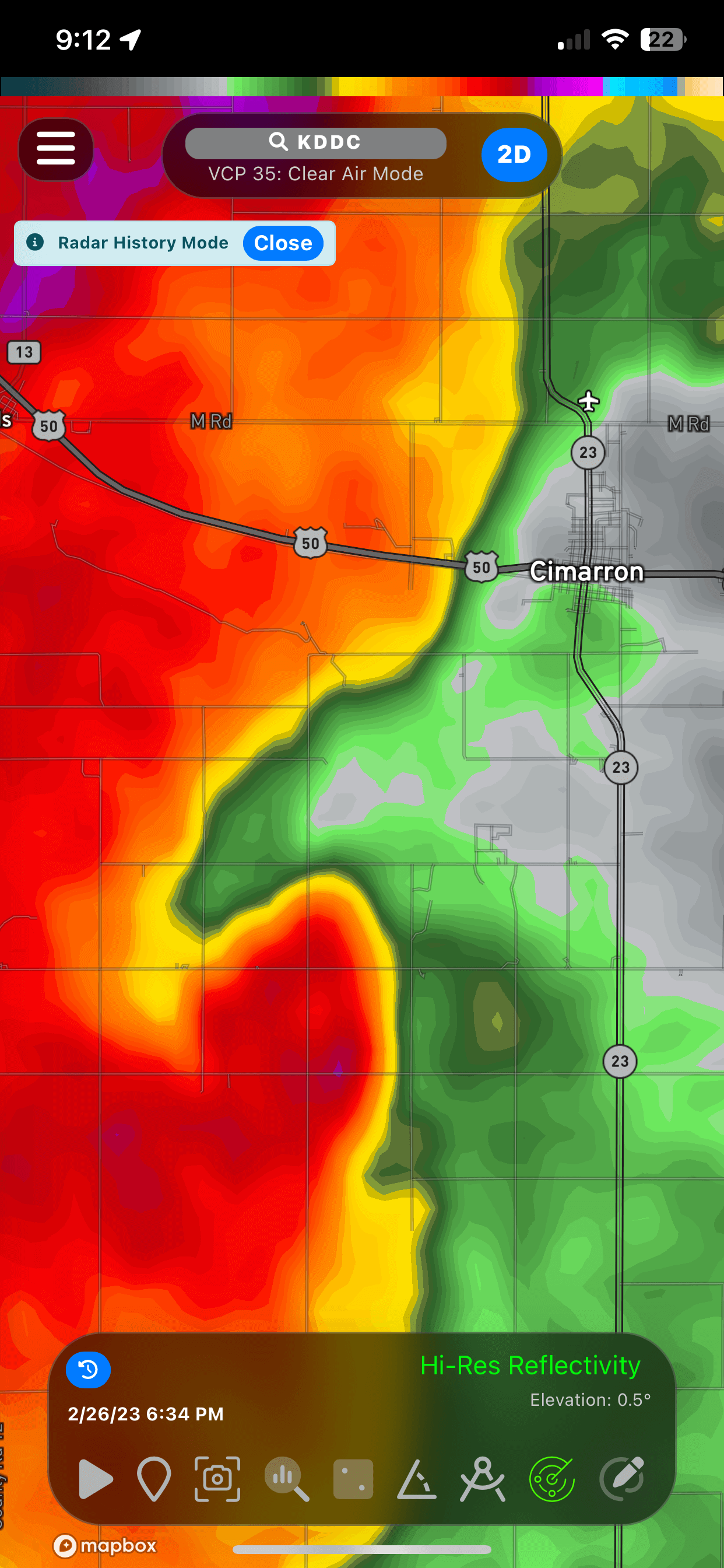
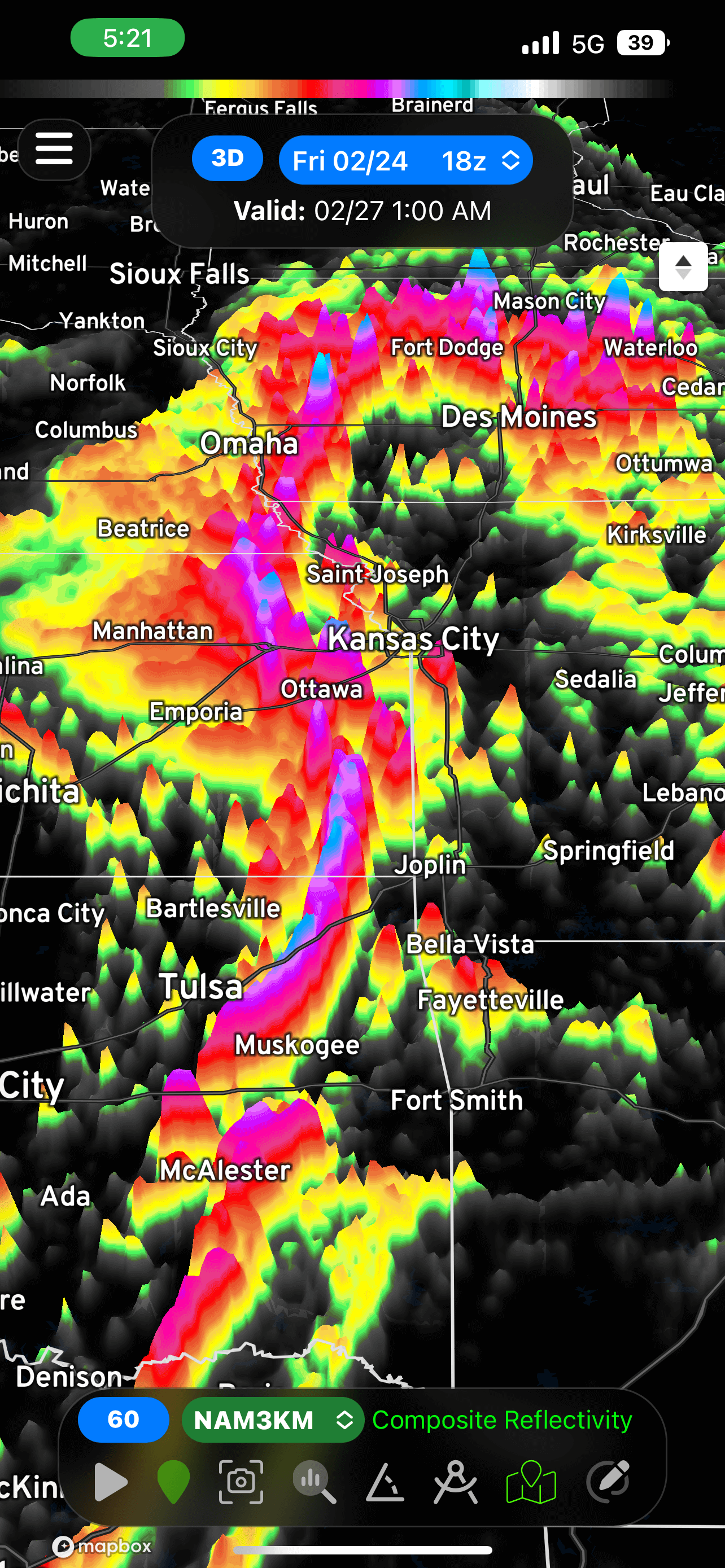
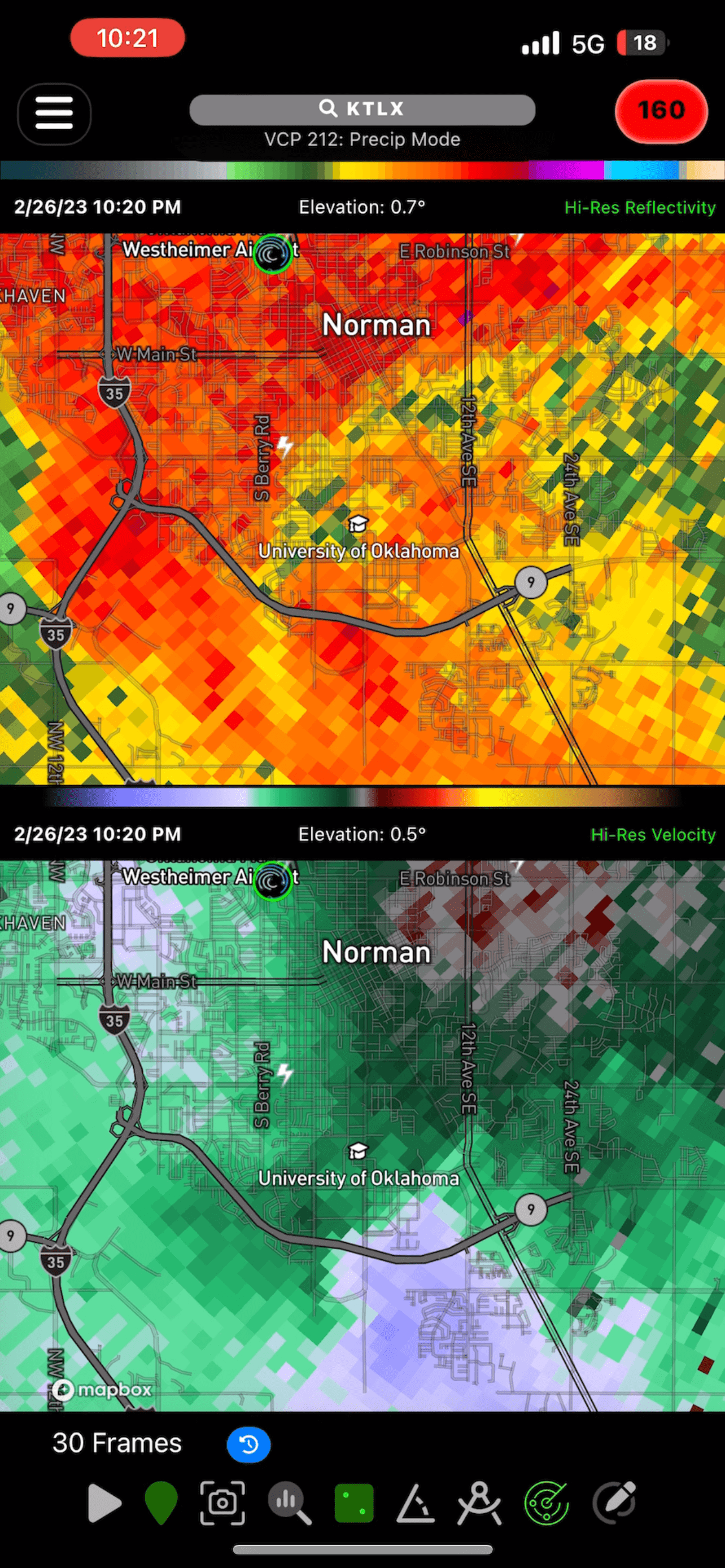
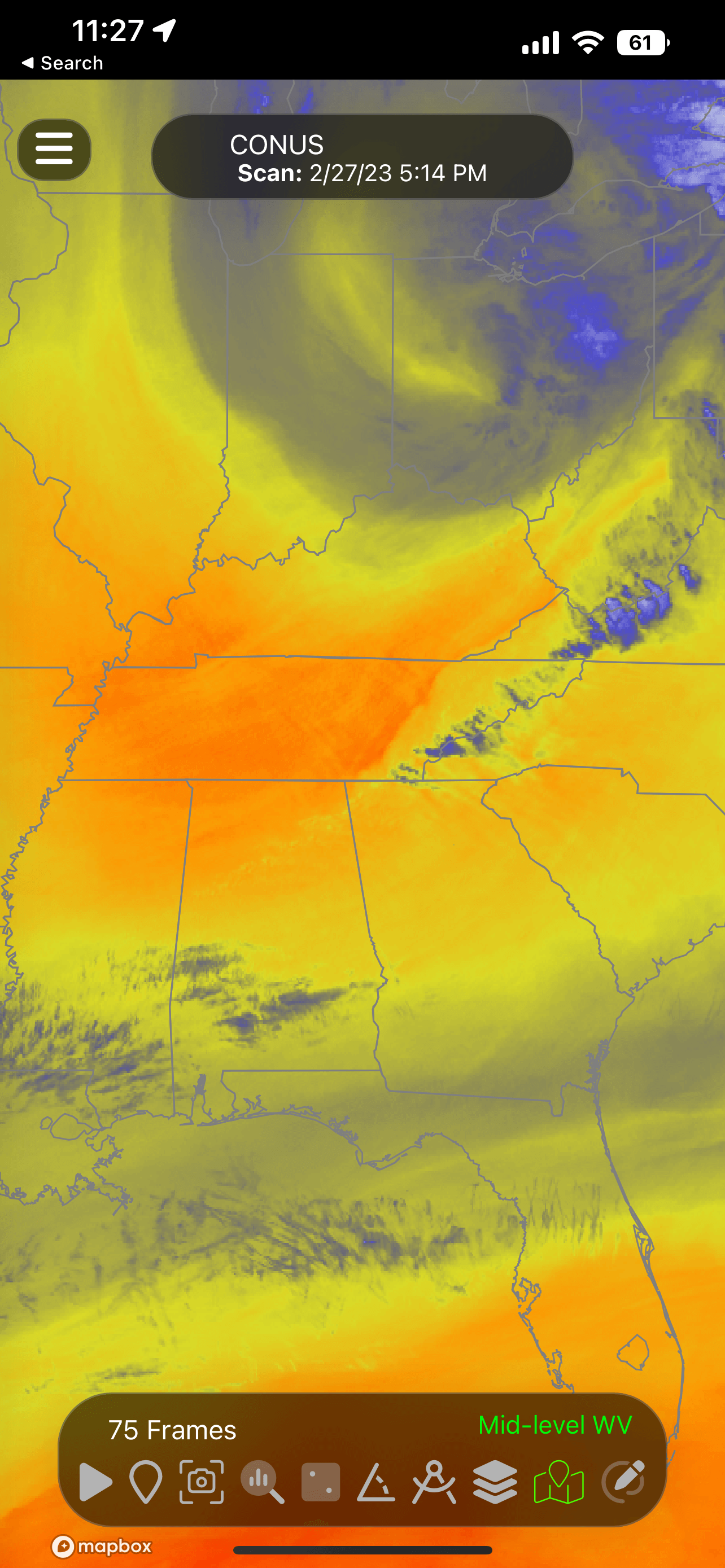
RadarOmega offers many hi-resolution radar products, including reflectivity and velocity. RadarOmega has all the tools you need for a rainy day!
One key feature about RadarOmega is the ability to have a unique viewing experience. From display settings to custom data layers, the possibilities are endless!
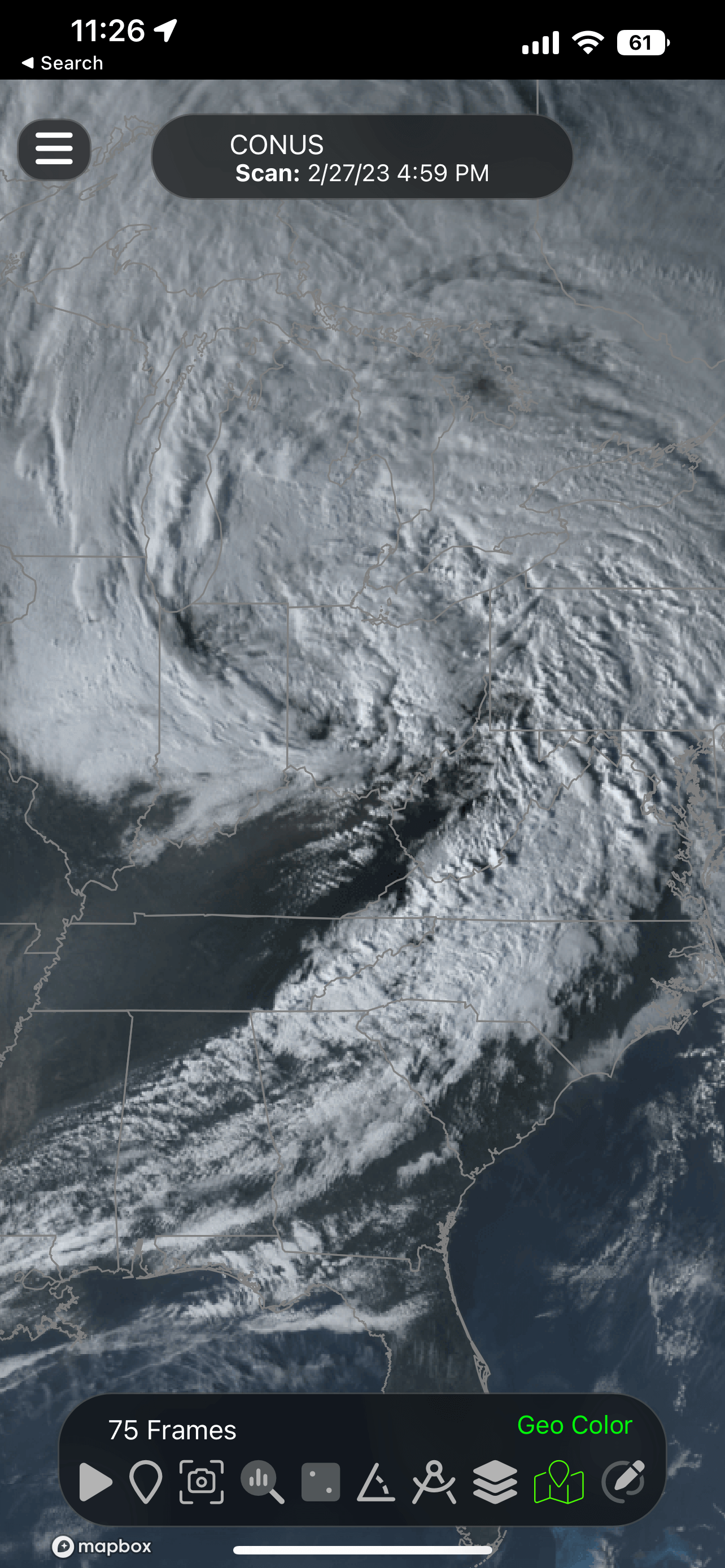
If you’re looking for more than just radar, look no further! RadarOmega is your one-stop shop for all your weather needs, such as official outlooks from the Storm Prediction Center, National Hurricane Center, and more.
Here at RadarOmega, we know how important it is to have the latest information when it comes to weather. Our focus is providing accurate, up-to-date information directly from the source. We strive to provide users with one of the most powerful weather applications available, with a focus on continuous improvements and innovations.
RadarOmega provides high resolution single site radar data to help keep you aware of rapidly changing weather conditions, faster than most conventional weather applications on the market. RadarOmega has more features available with the base application than any other software out there!
The one-stop shop radar app. Here are just a few of the many features RadarOmega has to offer with the base app!
RadarOmega provides hi-resolution radar data from single site radars across the world. Whether you need reflectivity, velocity, or dual-polarization products, RadarOmega has you covered. Orcad Cadence 17.4 Crack
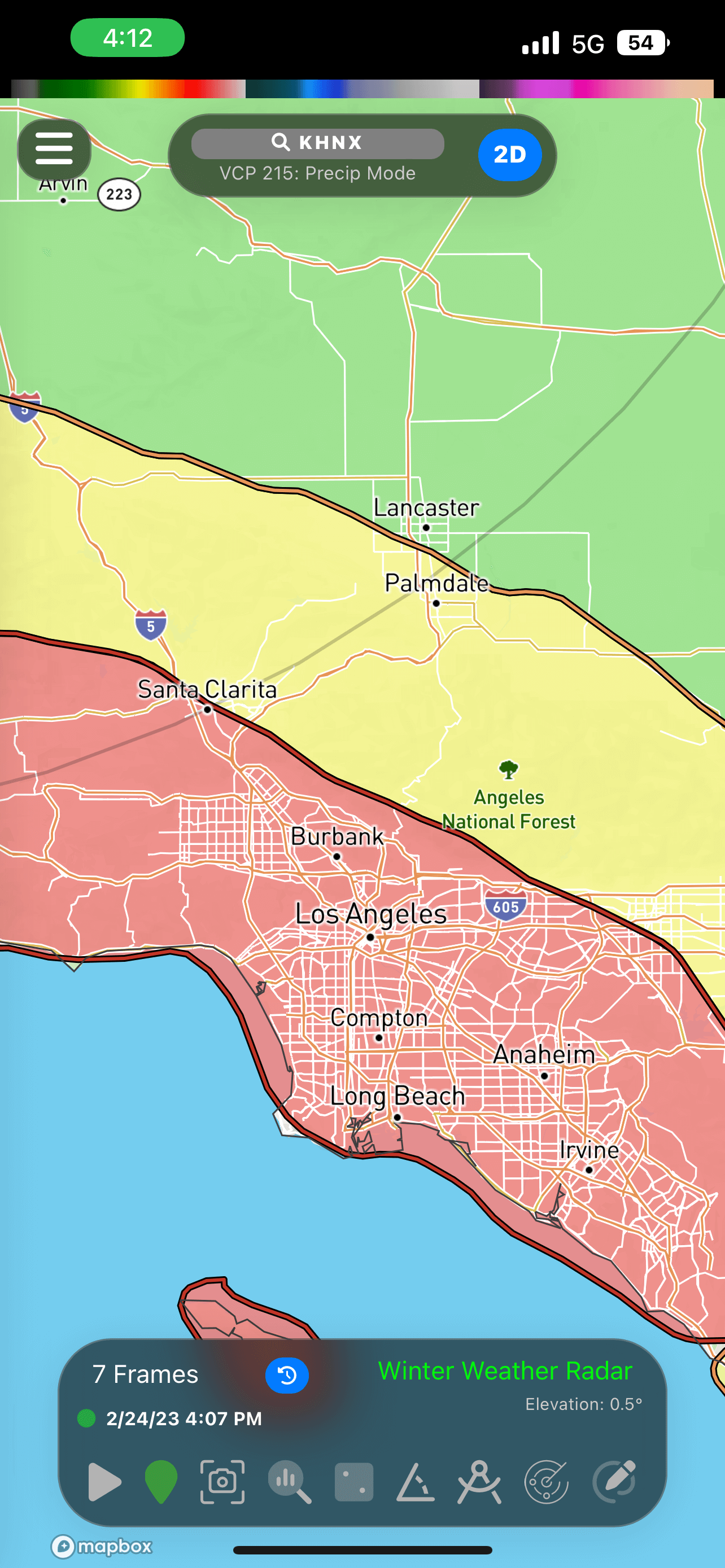
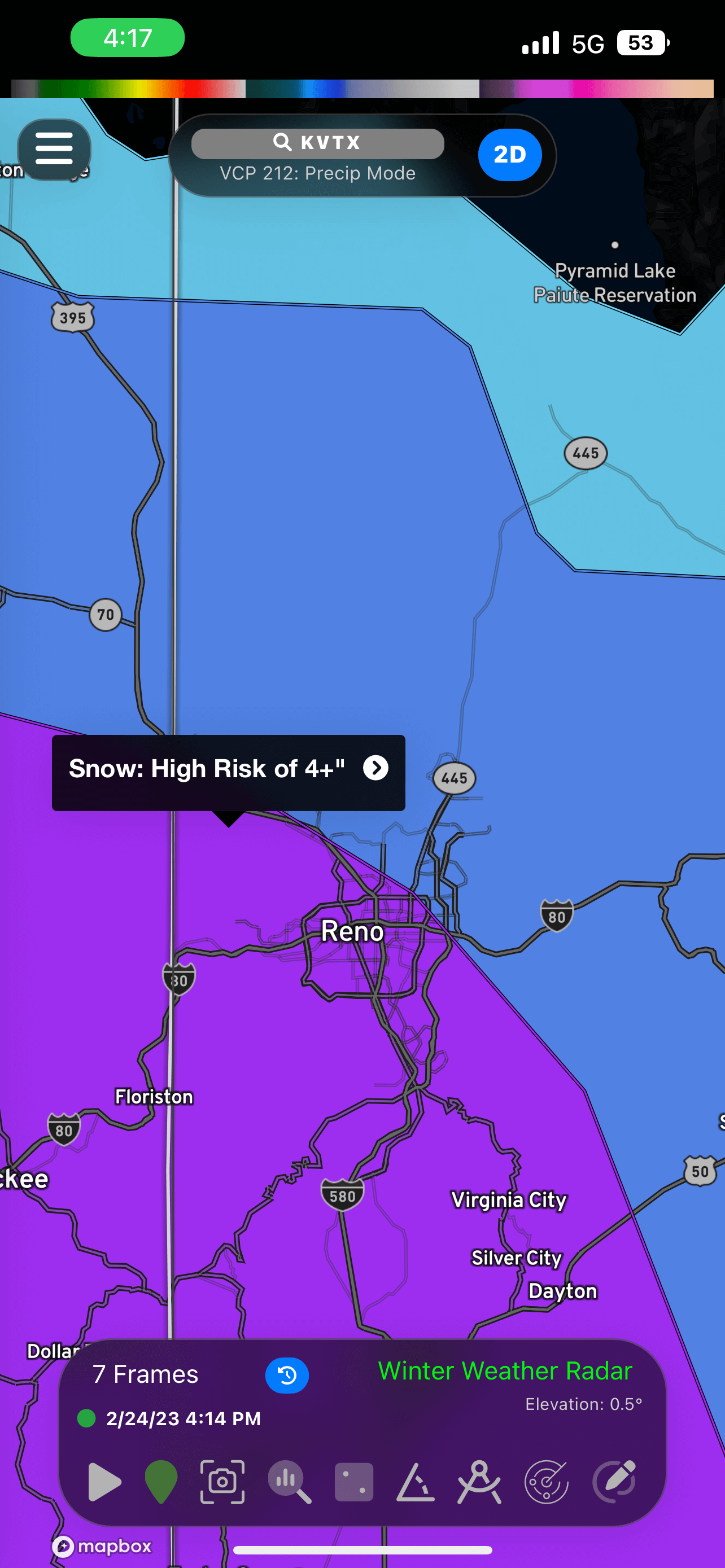
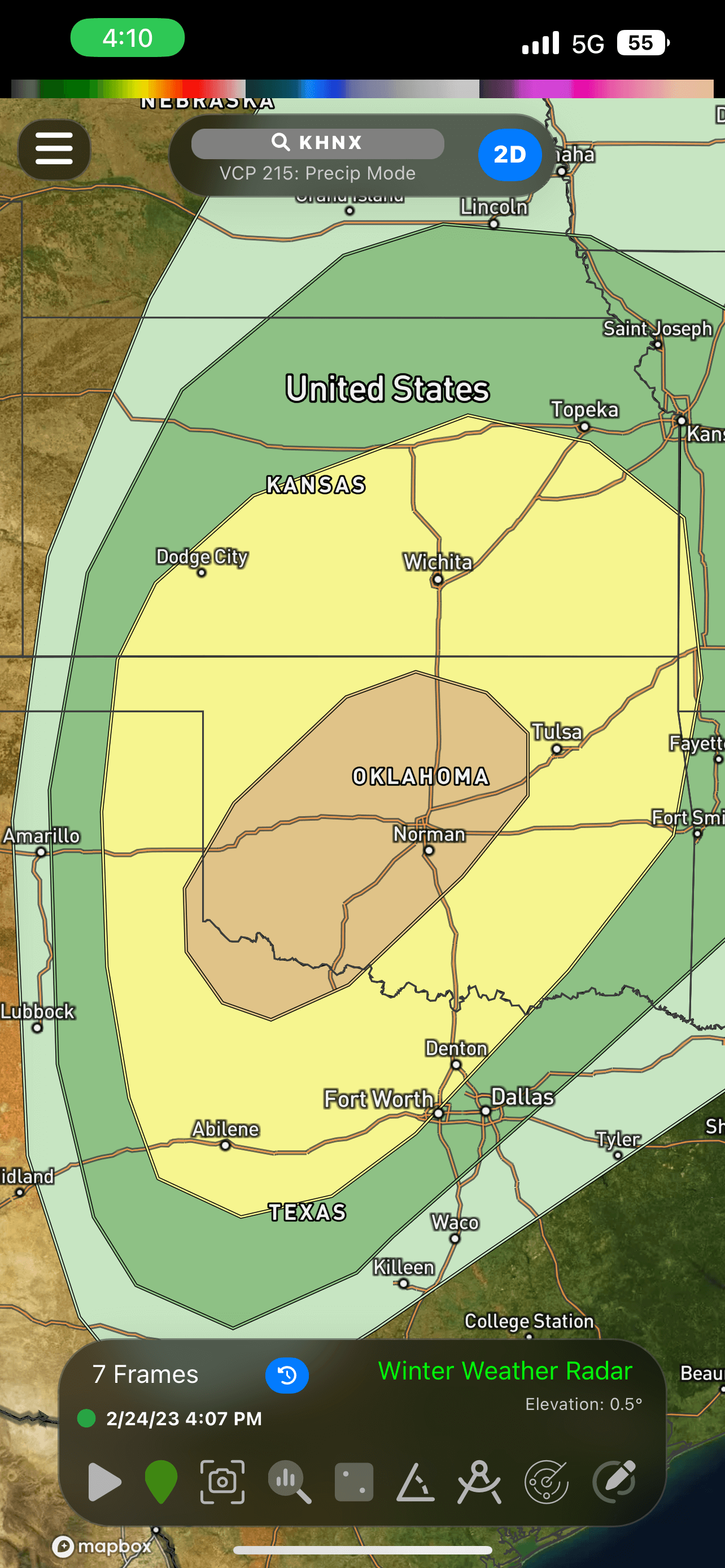
Whether your primary concern is severe weather, flooding, or winter weather, RadarOmega offers a multitude of outlooks and discussions directly from the National Weather Service: (Note: This story is a work of fiction
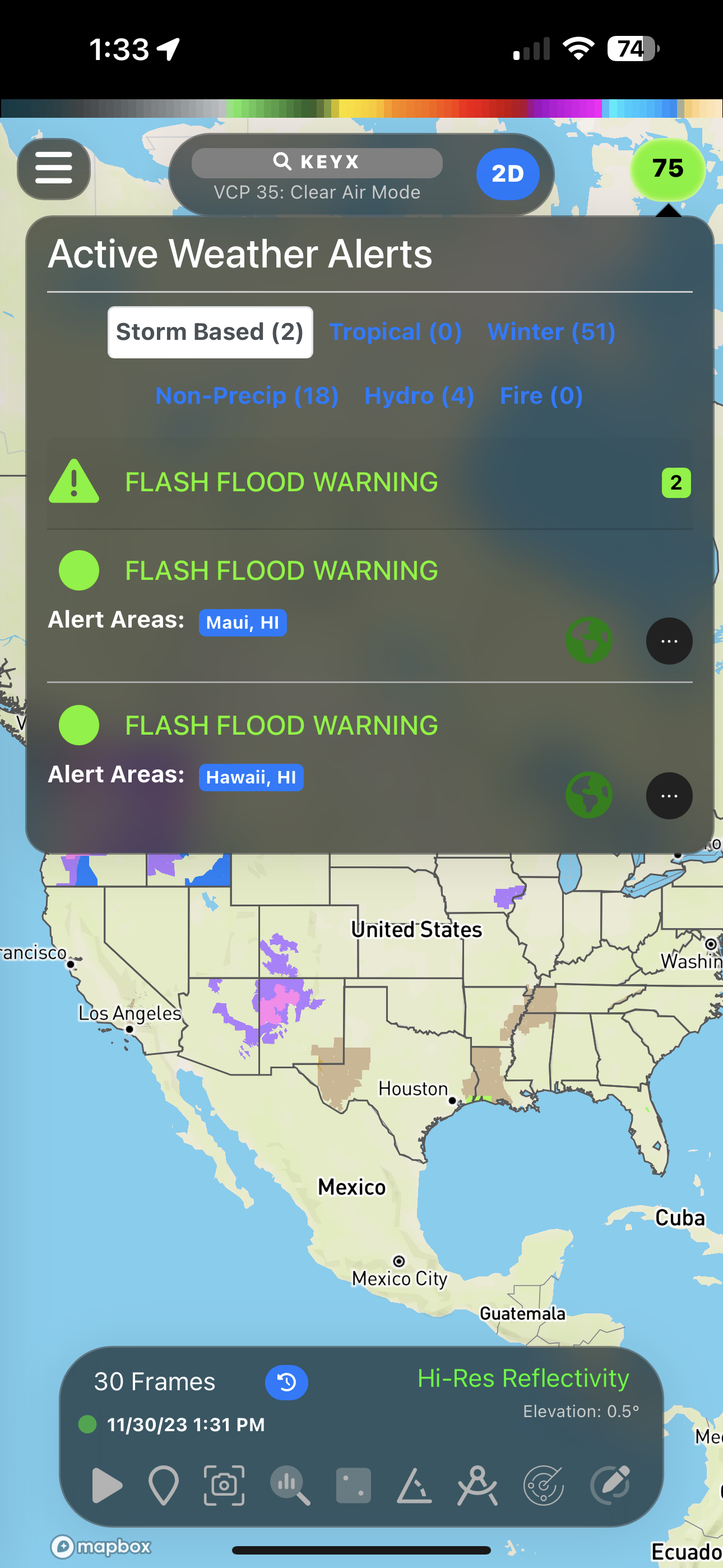
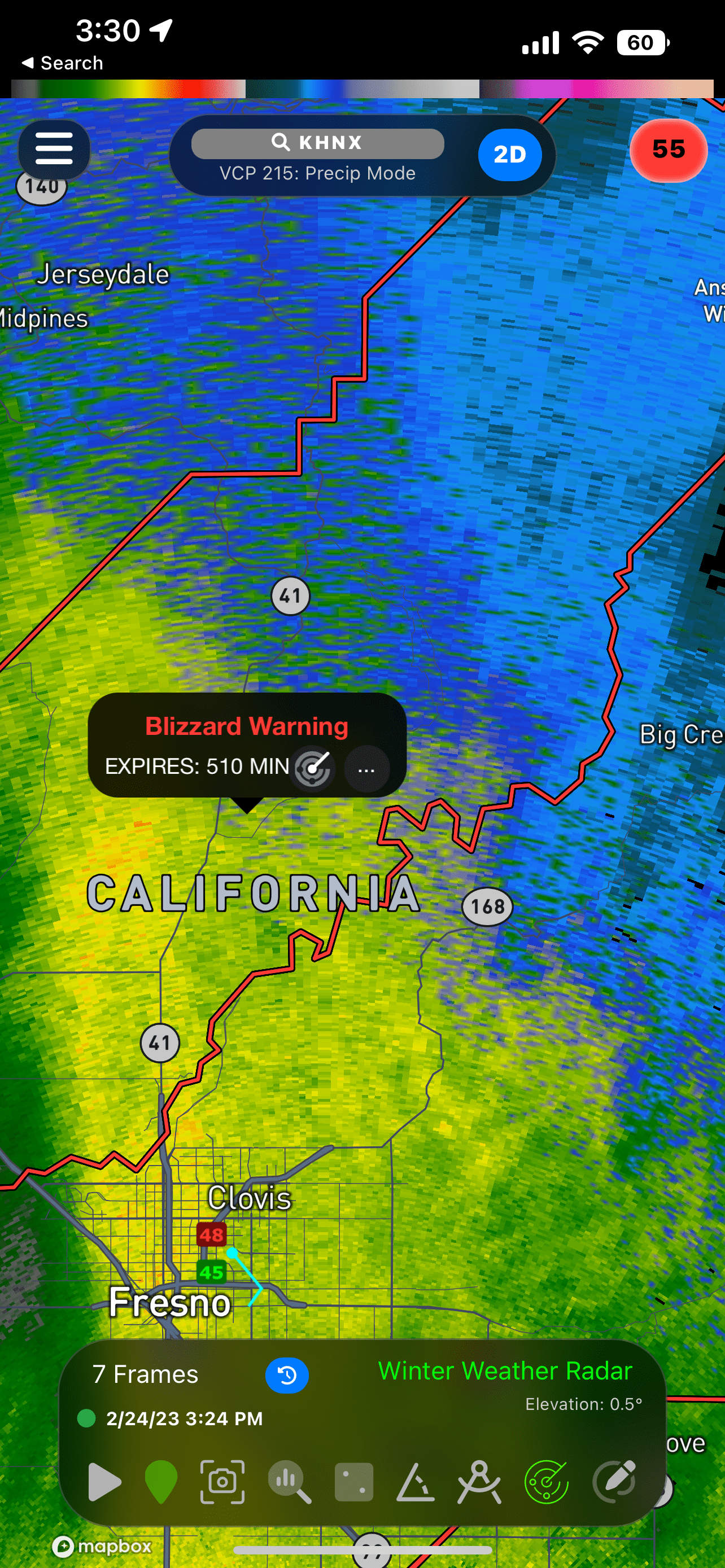
Real-time weather alerts issued by the National Weather Service, right at your fingertips: He had just landed an internship at a
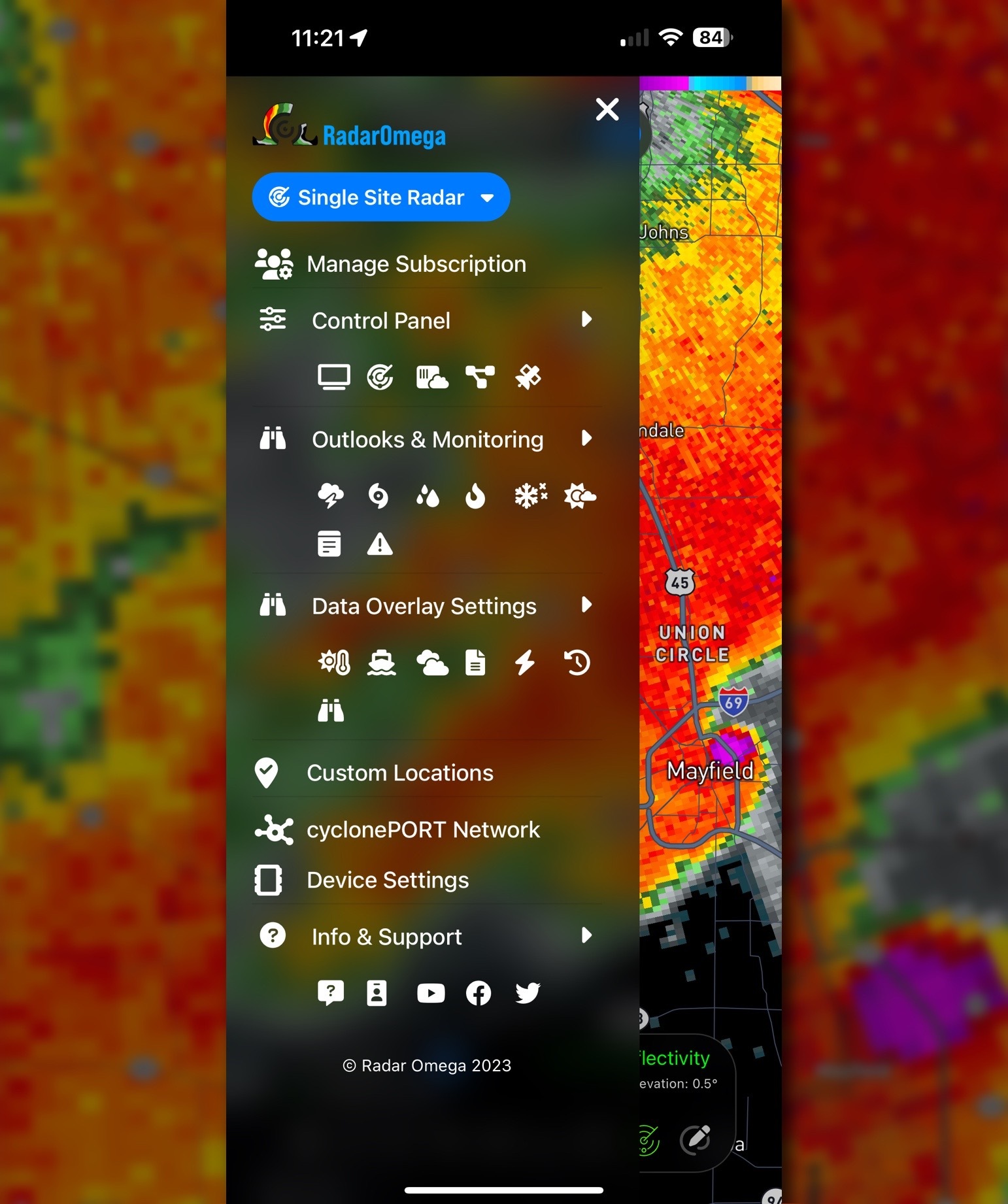
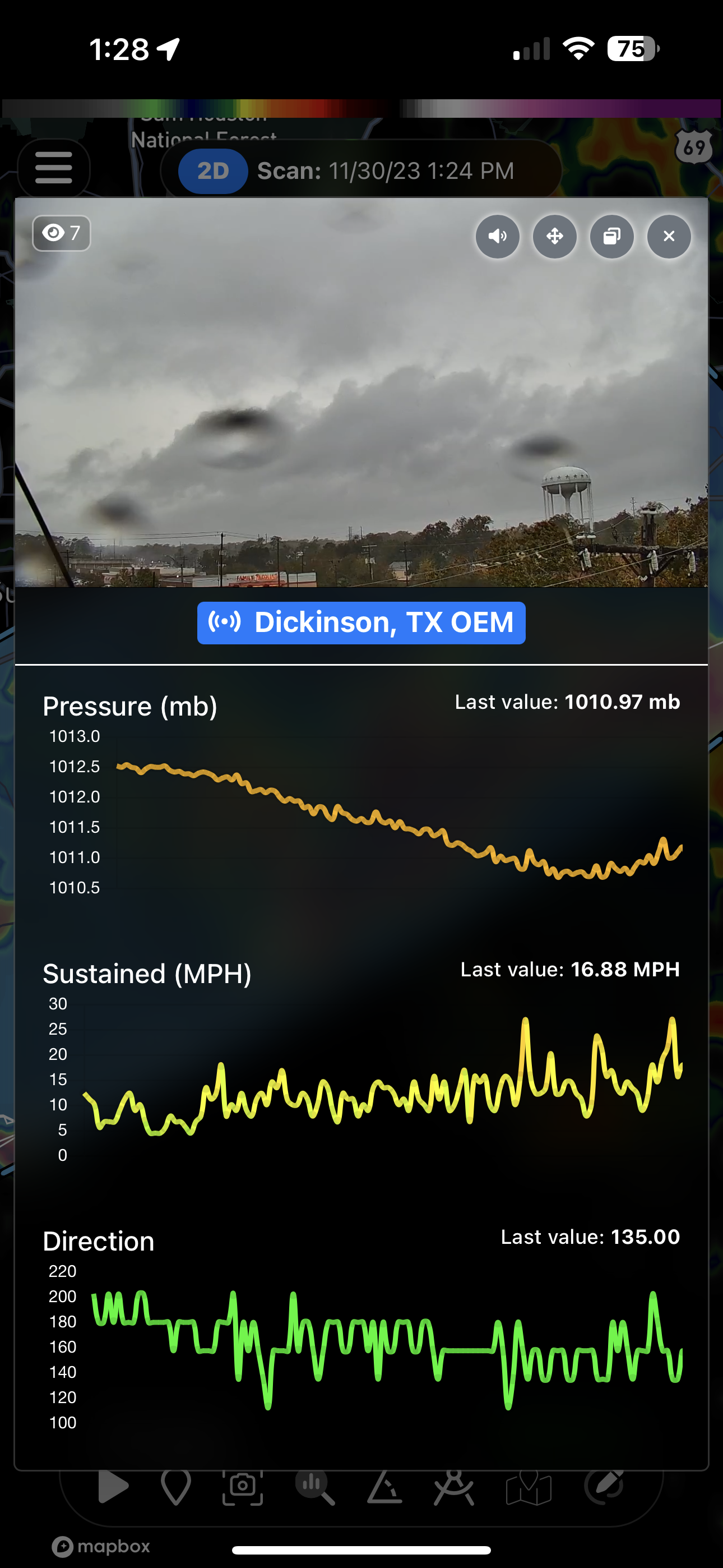
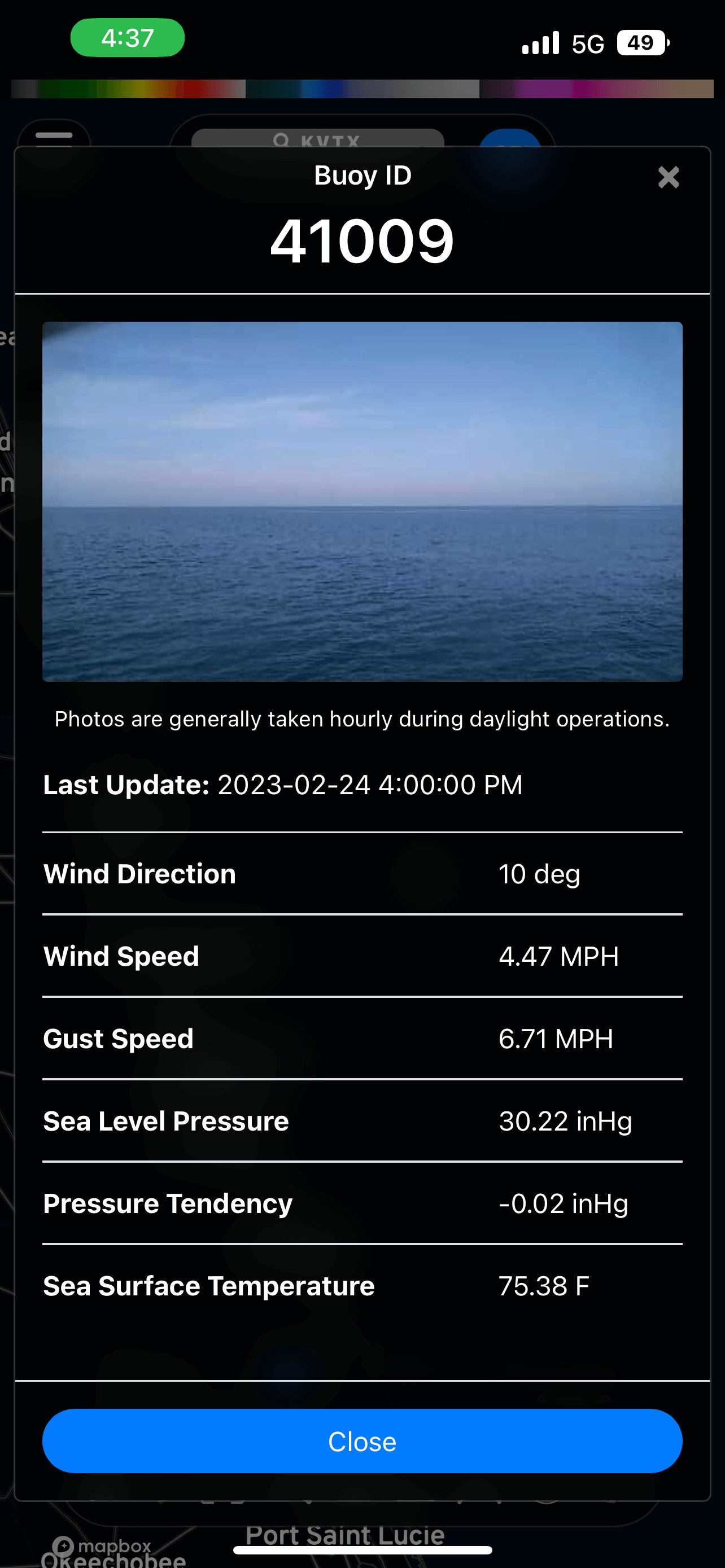
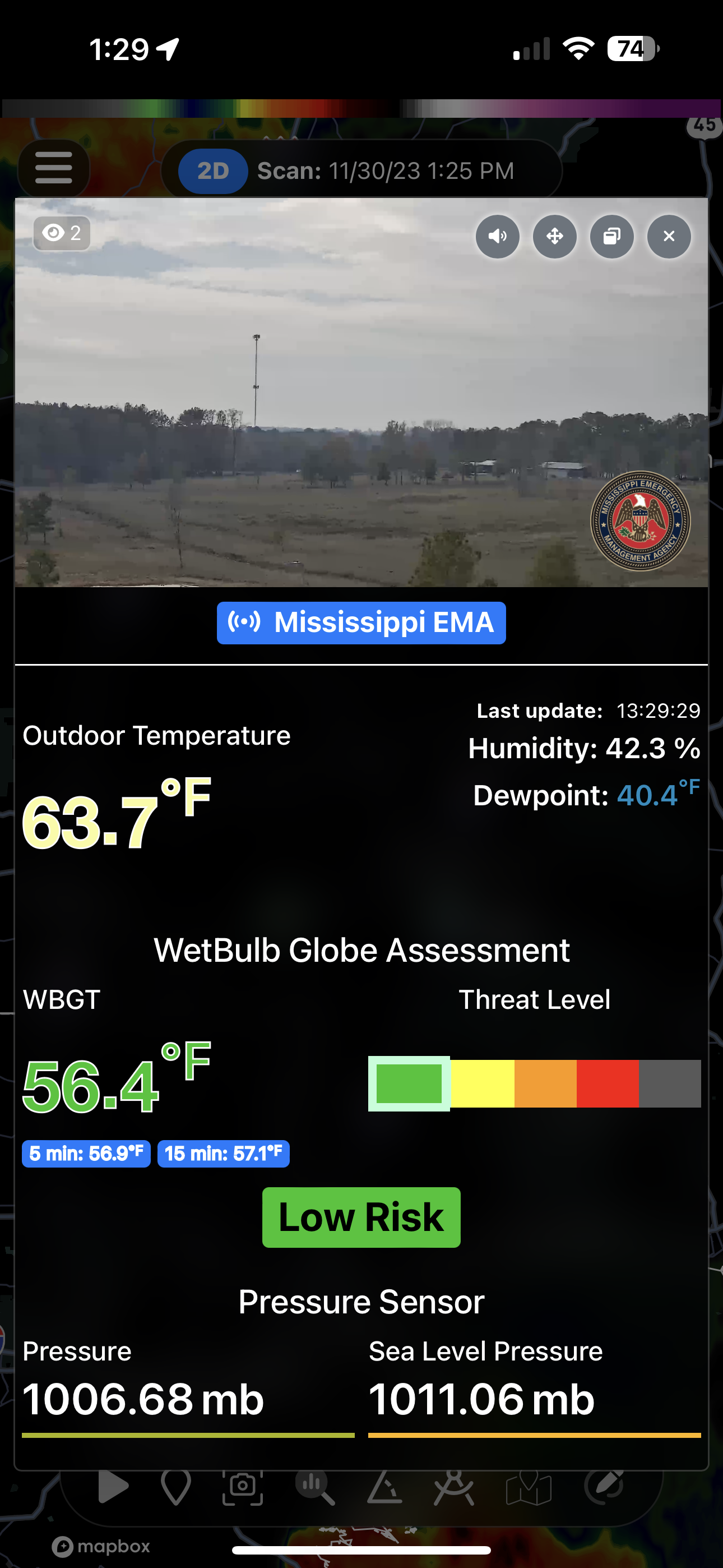
With a wide variety of tools that allow you to customize your radar viewing experience, RadarOmega is the most customizable radar software out there! We provide the option to smooth radar data, choose the number of frame animations, overlay custom locations as well as local storm reports, and even view live cameras and sensor data from our state-of-the-art cyclonePORT network – all within the RadarOmega app.
Here at RadarOmega, we know that making important decisions involves more than just knowing if it is raining. Lightning detection allows you to view lightning strikes within range of the radar tower you have selected, helping you decide if you need to put your lightning safety plan into action.
Unique Mapbox integration gives you the power to choose from 10 different map types with the ability to zoom in to building level! Detailed maps with cities, towns, road names, and bodies of water are available in dark, light, and satellite presentations.
*Base Application is NOT cross-platform between App Stores.
(Note: This story is a work of fiction. Always use software in accordance with its End User License Agreement. For students in need of tools, explore free or discounted programs from vendors like Cadence, Altium, and NI.)
In a cramped apartment above a bustling city, 23-year-old Marcus , an aspiring electrical engineering student, faced a daunting challenge. He had just landed an internship at a hardware startup, where his first task was to design a complex PCB prototype using . The software was industry-standard, powerful, and—most frustratingly—expensive. For Marcus, who was studying on a tight budget, buying a full license felt like an insurmountable brick wall. The Temptation A friend whispered about a "cracked version" of OrCAD 17.4 online. Marcus hesitated. He knew piracy was unethical, but the promise of using the same tools his mentors used, without financial strain, tugged at him. After a sleepless night, he downloaded the cracked software. It worked flawlessly, and for weeks, Marcus designed circuits, amazed at how much faster his workflow became. The Consequences But cracks had a way of spreading. One day, his laptop froze, then crashed. A virus, flagged by his antivirus, had embedded itself in the pirated software. Marcus spent hours recovering data but lost weeks of work. Worse, his internship supervisor noticed something odd: his designs lacked consistency, a flaw he attributed to unstable tools. When Marcus tried to share his files, corrupted components and licensing errors exposed the truth. His reputation dented, he was sidelined from the project. The Turning Point Feeling defeated, Marcus confided in Professor Alina , a mentor who had once been in his shoes. “Ethics and integrity are the foundation of engineering,” she said. “Shortcuts in code or character always catch up.” She pointed him to free alternatives like KiCad and EasyEDA , offering similar capabilities but with open-source support. For students, she mentioned Altium Student Program and NI’s Academic Licensing , which provided access to industry tools at little or no cost. The Resolution Marcus wiped his laptop clean and reinstalled everything from scratch. He spent a summer mastering KiCad, collaborating with classmates on real projects, and even landing a part-time gig designing low-cost electronics for a nonprofit. By his final year, he had not only earned a legitimate OrCAD license but also become an advocate for open-source tools. He taught workshops on ethical alternatives, helping others avoid the same pitfalls. Lessons in the Circuit Marcus’s story is a microcosm of a larger truth: shortcuts driven by desperation often create more damage than they prevent. While cracked software may seem like a lifeline, the risks—security vulnerabilities, legal exposure, and eroded trust—far outweigh the benefits. For students and professionals, the tech community offers countless legal pathways to access tools and grow. After all, innovation blooms from integrity, not imitation.
Start by setting the scene with a character in the electrical engineering field facing financial difficulties. Then introduce the struggle between wanting to use the software and the moral implications. The story can pivot when the character discovers the ethical issues and legal risks of using a cracked version. Finally, resolve the story by the character seeking affordable alternatives or assistance from the community. Make sure to weave in the consequences of piracy, like possible malware and system instability, and the professional repercussions like losing credibility. Keep the tone educational and cautionary without promoting any illegal activities. Also, mention the availability of free or discounted software for students and educational purposes. Need to check if all these elements are covered and structured logically. Avoid technical jargon to keep it accessible. Conclude with a positive message about ethical practices in tech.
*ALL subscriptions include desktop access.
Whether you’re using RadarOmega for personal use or professional use, desktop access can be a great addition to your weather toolkit.
Use RadarOmega simultaneously on your mobile device, tablet, and desktop!
Desktop gives you more screen space to analyze radar, satellite, models, and more!
With your subscription, all base application features can be accessed on desktop, along with the additional data included in your subscription package.
Desktop Access is available to all subscribers. A subscription can be purchased by creating an account within the “Manage Subscription” section from the side menu of the mobile app.
After you purchase a subscription, you can download the native application from radaromega.com. We support Windows, Mac and Linux. You cannot access RadarOmega via a web browser.
Once you have a subscription and RadarOmega is installed on your desktop, just login with your account information to access your subscription features on desktop!
See RadarOmega in action here! You can also visit our official Twitter page (@RadarOmega) or Facebook page (RadarOmegaApp) to see all the unique ways you can use RadarOmega during severe weather, winter storms, hurricanes, and more.
(Note: This story is a work of fiction. Always use software in accordance with its End User License Agreement. For students in need of tools, explore free or discounted programs from vendors like Cadence, Altium, and NI.)
In a cramped apartment above a bustling city, 23-year-old Marcus , an aspiring electrical engineering student, faced a daunting challenge. He had just landed an internship at a hardware startup, where his first task was to design a complex PCB prototype using . The software was industry-standard, powerful, and—most frustratingly—expensive. For Marcus, who was studying on a tight budget, buying a full license felt like an insurmountable brick wall. The Temptation A friend whispered about a "cracked version" of OrCAD 17.4 online. Marcus hesitated. He knew piracy was unethical, but the promise of using the same tools his mentors used, without financial strain, tugged at him. After a sleepless night, he downloaded the cracked software. It worked flawlessly, and for weeks, Marcus designed circuits, amazed at how much faster his workflow became. The Consequences But cracks had a way of spreading. One day, his laptop froze, then crashed. A virus, flagged by his antivirus, had embedded itself in the pirated software. Marcus spent hours recovering data but lost weeks of work. Worse, his internship supervisor noticed something odd: his designs lacked consistency, a flaw he attributed to unstable tools. When Marcus tried to share his files, corrupted components and licensing errors exposed the truth. His reputation dented, he was sidelined from the project. The Turning Point Feeling defeated, Marcus confided in Professor Alina , a mentor who had once been in his shoes. “Ethics and integrity are the foundation of engineering,” she said. “Shortcuts in code or character always catch up.” She pointed him to free alternatives like KiCad and EasyEDA , offering similar capabilities but with open-source support. For students, she mentioned Altium Student Program and NI’s Academic Licensing , which provided access to industry tools at little or no cost. The Resolution Marcus wiped his laptop clean and reinstalled everything from scratch. He spent a summer mastering KiCad, collaborating with classmates on real projects, and even landing a part-time gig designing low-cost electronics for a nonprofit. By his final year, he had not only earned a legitimate OrCAD license but also become an advocate for open-source tools. He taught workshops on ethical alternatives, helping others avoid the same pitfalls. Lessons in the Circuit Marcus’s story is a microcosm of a larger truth: shortcuts driven by desperation often create more damage than they prevent. While cracked software may seem like a lifeline, the risks—security vulnerabilities, legal exposure, and eroded trust—far outweigh the benefits. For students and professionals, the tech community offers countless legal pathways to access tools and grow. After all, innovation blooms from integrity, not imitation.
Start by setting the scene with a character in the electrical engineering field facing financial difficulties. Then introduce the struggle between wanting to use the software and the moral implications. The story can pivot when the character discovers the ethical issues and legal risks of using a cracked version. Finally, resolve the story by the character seeking affordable alternatives or assistance from the community. Make sure to weave in the consequences of piracy, like possible malware and system instability, and the professional repercussions like losing credibility. Keep the tone educational and cautionary without promoting any illegal activities. Also, mention the availability of free or discounted software for students and educational purposes. Need to check if all these elements are covered and structured logically. Avoid technical jargon to keep it accessible. Conclude with a positive message about ethical practices in tech.
RadarOmega is available on iOS and Android!
Available on
Google Store
Available on
Apple Store
All subscribers – Alpha, Beta, and Gamma – have desktop access.
Available on
Windows
Available on
MacOS
Available on
Linux
We value feedback from RadarOmega users. Have questions, concerns, or suggestions? Feel free to reach out to us!