Sending a follow-up email just after the first one was opened increases your reply rate by 80%.
Add the famous read receipt in your Gmail
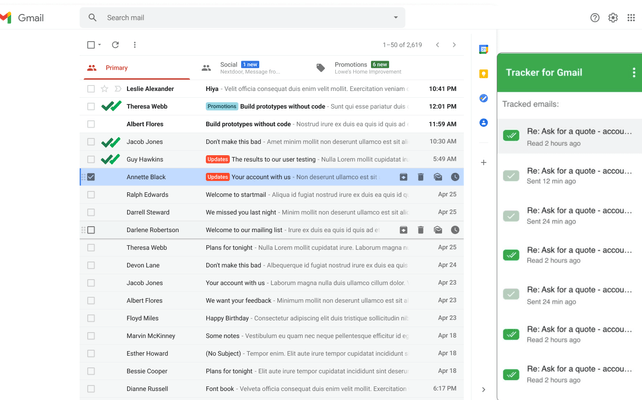
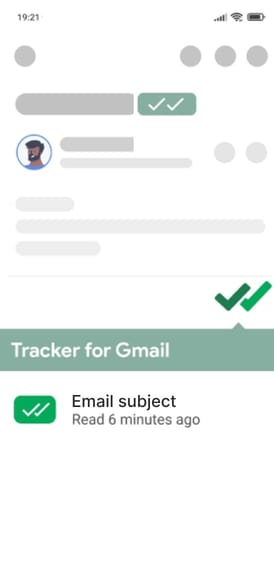
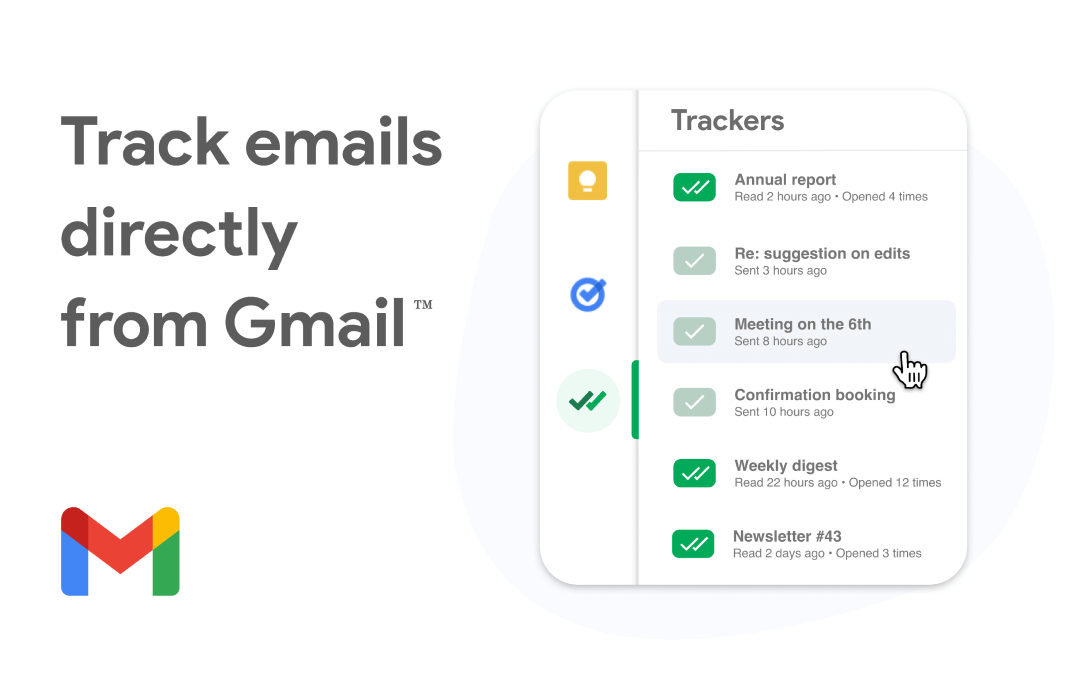
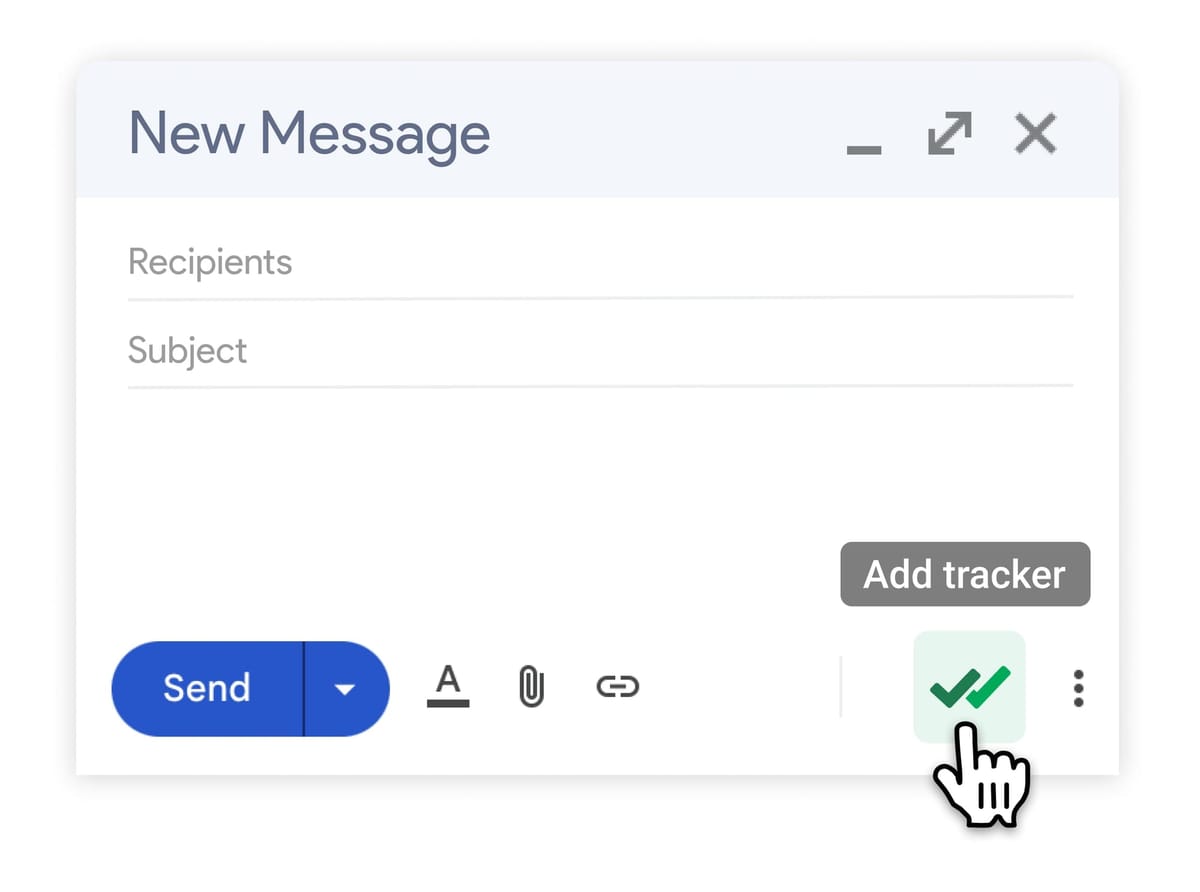
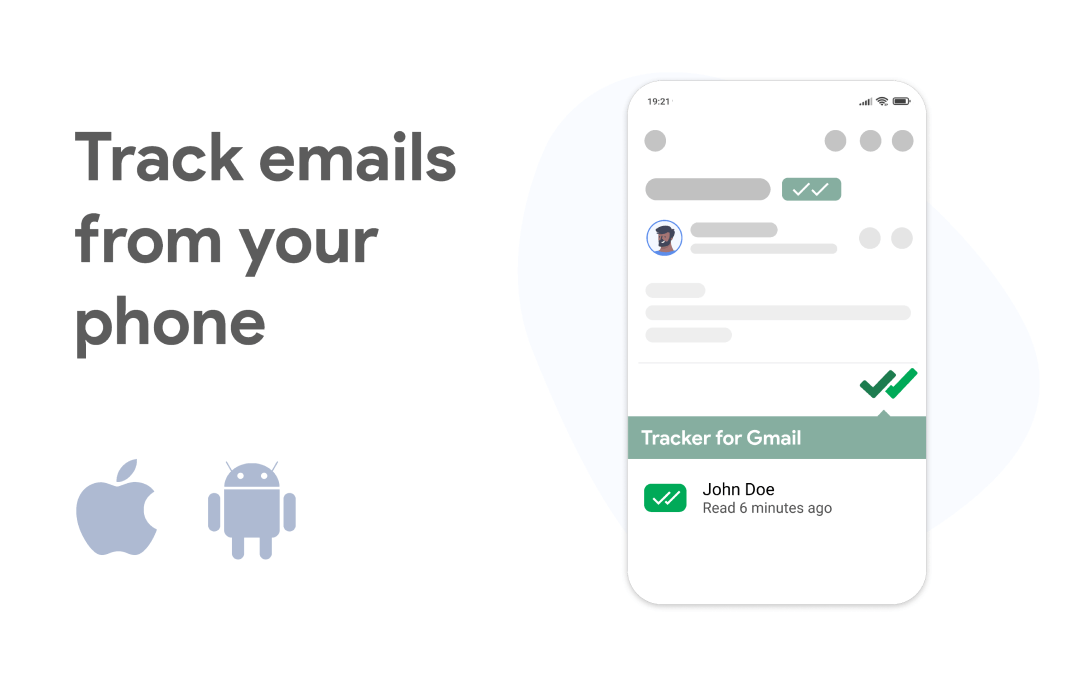
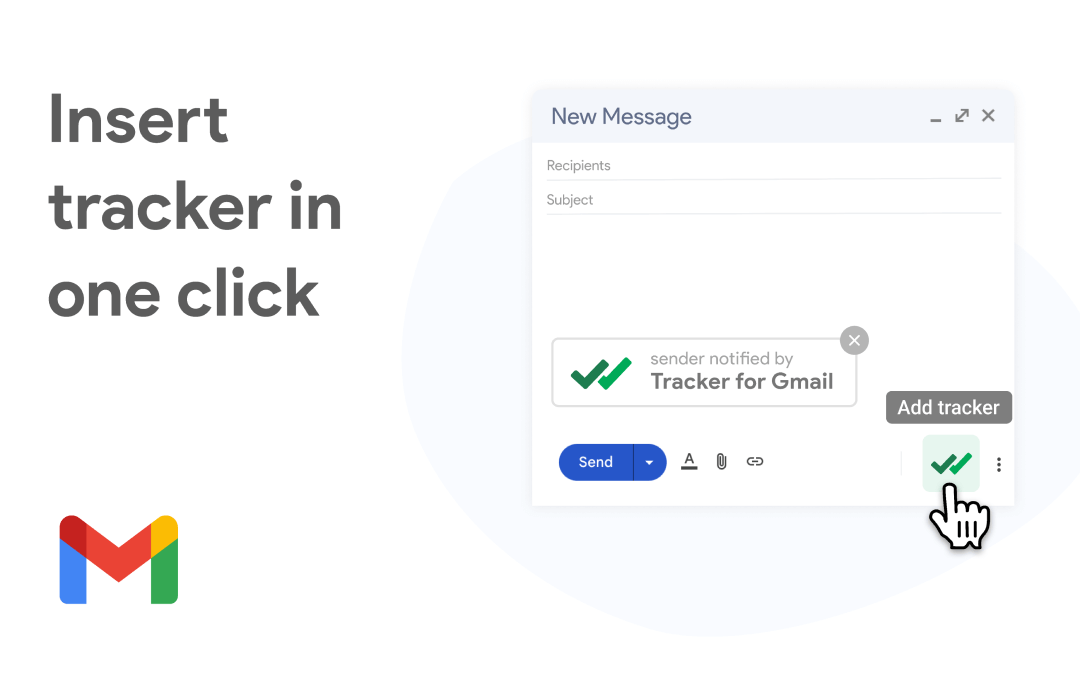
Receive an instant notification as soon as your email is opened
For each tracked email, get a list of all the time it was opened
Your privacy matters: we can’t read your emails. Learn more:
https://mailtrack.email/security
Companies and organizations from all over the world trust Mail Track for Gmail








See what your clients say about us
A cut above the rest of the email tracker for gmail software available. Super easy to use and a generous free plan. Plus, importantly, it doesn't request permission to read my emails.
One of the best email tracking to know when our important emails are opened.
Always know what you will pay
| Free | Premium | |
|---|---|---|
| $0$0 | $2.99$5.99 | |
| / month/ month | / user / month/ user / month | |
| Tracked emails per day | Unlimited | Unlimited |
| Track from mobile | ||
| Mail notifications | ||
| Remove Mail Track Branding | ||
| Real time notifications | ||
| Team Plan | ||
| Get startedGet started | Get startedGet started |
input_string = "adn503enjavhdtoday01022024020010 min best" print(preprocess_string(input_string)) This example provides a basic preprocessing step. The actual implementation depends on the specifics of your task, such as what the string represents, what features you want to extract, and how you plan to use these features.
def preprocess_string(input_string): # Tokenize tokens = re.findall(r'\w+|\d+', input_string) # Assume date is in the format DDMMYYYY date_token = None for token in tokens: try: date = datetime.strptime(token, '%d%m%Y') date_token = date.strftime('%Y-%m-%d') # Standardized date format tokens.remove(token) break except ValueError: pass # Simple manipulation: assume 'min' and 'best' are of interest min_best = [token for token in tokens if token in ['min', 'best']] other_tokens = [token for token in tokens if token not in ['min', 'best']] # Example of one-hot encoding for other tokens # This part highly depends on the actual tokens you get and their meanings one_hot_encoded = token: 1 for token in other_tokens features = 'date': date_token, 'min_best': min_best, 'one_hot': one_hot_encoded return features adn503enjavhdtoday01022024020010 min best
Install our free mailtracker now
![[object Object]](https://umsousercontent.com/lib_SOghfaNrOBnPjwdM/xmb70q1hfmzey2nb.png?w=68)